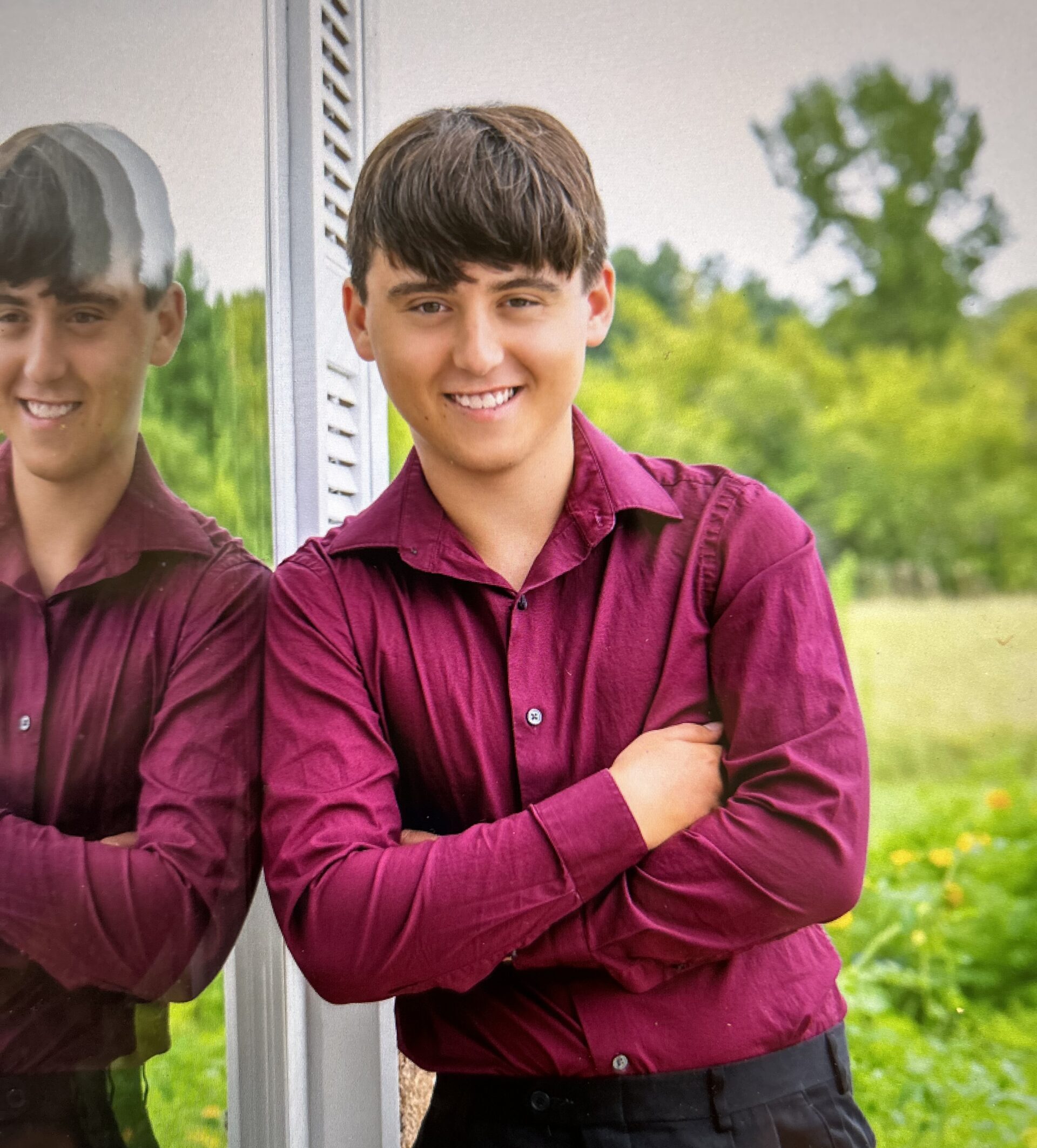
Most 19-year-old young men are focused on taking the next step in their lives after high school. Whether that’s navigating university life, starting a trades program, or working full-time, they are embarking on a journey that will come with challenges.
For John, while the physical hurdles he is facing at age 19 are clear, his daily challenges are far more wide-reaching, impacting how he interacts, processes, and communicates with others.
At seventeen years old, John survived a severe stroke and developed aphasia.
On April 5, 2024, he went in for a routine wisdom tooth removal surgery. Under 24 hours later, while he was at home sleeping, a blood clot left one of his carotid arteries and traveled from his neck to his brain. His parents, Adam and Joy, found him in bed the next morning and rushed him to the hospital. While in the intensive care unit of the local children’s hospital, the medical team found a tear in his carotid artery.
After waking up at the hospital, he was still himself, but silent and unable to speak. As a result of the stroke, he had developed aphasia and apraxia.
Aphasia is a communication disorder that can affect a person’s ability to read, write, speak, process and/or understand language. It does not affect a person’s intelligence or personality; they are still the same person they were before developing aphasia.
John and his family had never heard of the condition until he developed it. Before April 6, 2024, he had been a normal 17-year-old teenager. “He was outgoing, busy with track and intramural basketball, hanging out with friends and family, and [he] liked to tell jokes,” his mom Joy said.
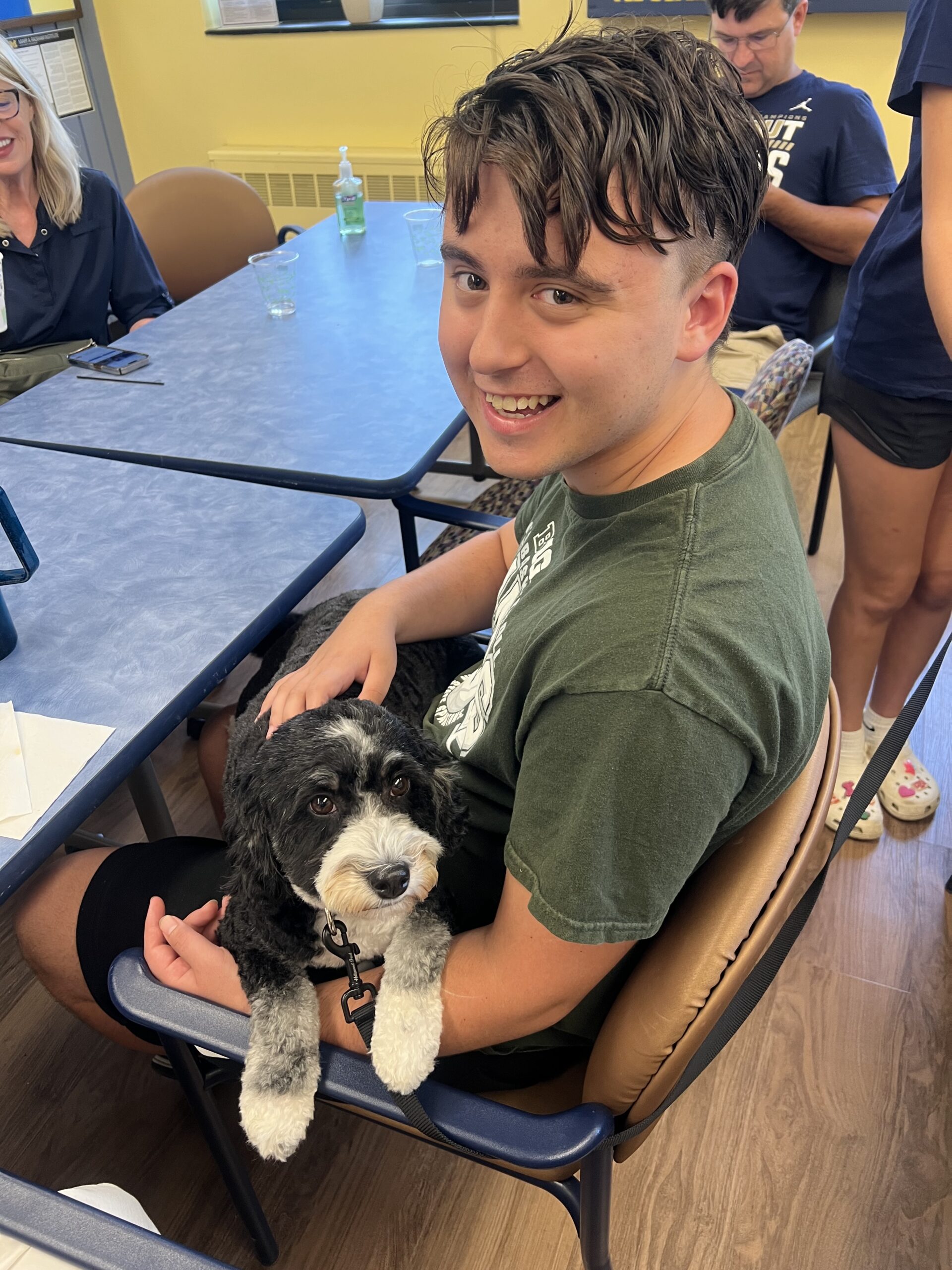
During his hospital stay, the “team of doctors did not give us much hope. After he got home from the hospital, [the gravity of his situation] really sank in,” his parents said. After they returned home, they began researching programs and resources that could benefit John during his recovery.
It was challenging and isolating at times, as “I think him being 17 years old when this happened, [means] not many people are able to relate to this situation. Healthcare and insurance systems are not set up for a 17-year-old stroke survivor.”
The University of Michigan Aphasia Program Experience
About six months after his stroke, in October 2024, a friend recommended the University of Michigan Aphasia Program (UMAP). This friend had attended the program and thought it might also be beneficial for John. After learning about the “longevity and positive reviews of the program”, his parents decided to try it.
John, along with his parents, first attended a UMAP session in June 2025. It was such a positive experience, they decided to come back three more times: in November 2025, February 2026, and July 2026.
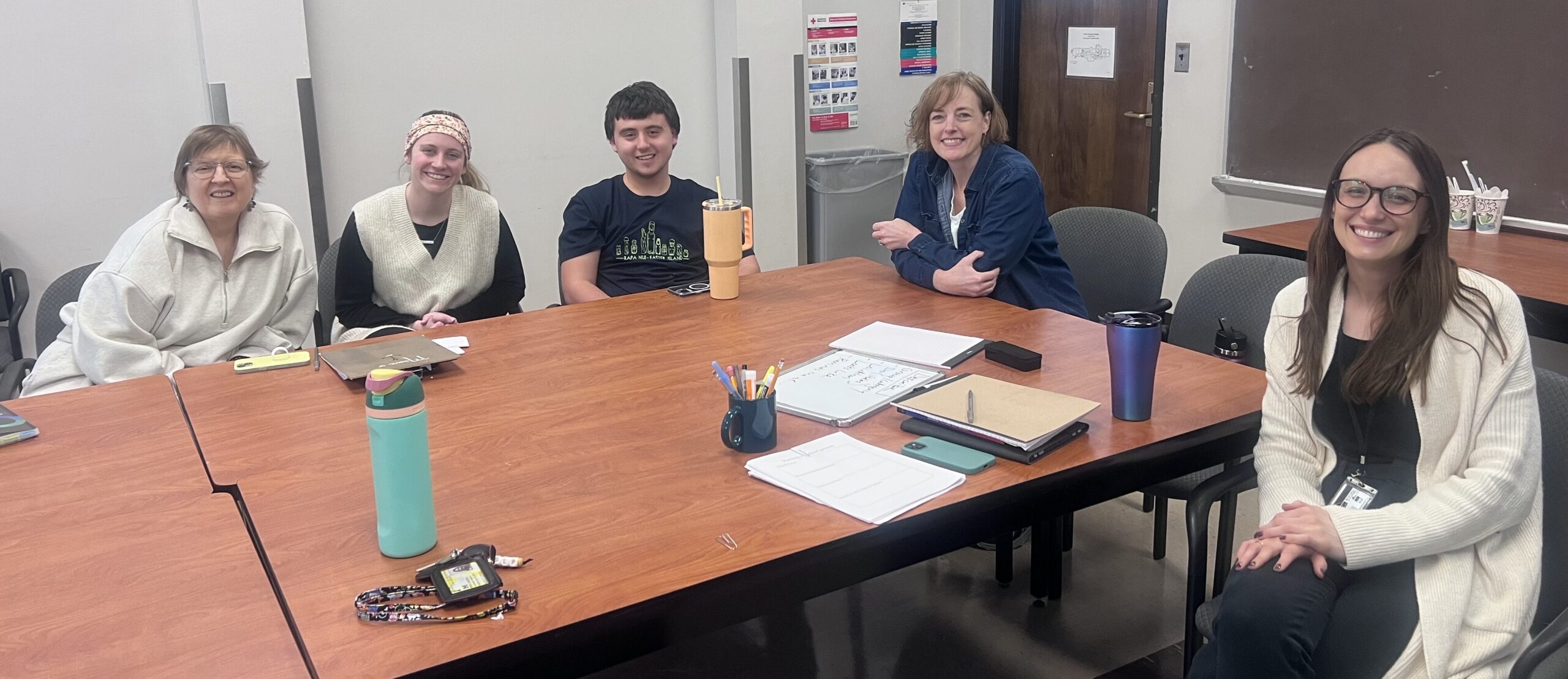
There’s not a single element that brings the family back to UMAP; rather, it is the overall experience. “Every aspect of UMAP has been wonderful – the therapy approach, the communication strategies, caregiver support and the staff have truly made a difference,” says his mom, Joy.
John personally enjoys coming to UMAP, as “it has helped me to communicate more with people and gives me confidence.”
Looking Forward
John and his family are focused on his continued progress and moving forward. He graduated from high school in May 2026. The bond created between the family and UMAP is so strong that two of UMAP’s speech-language pathologists who have been working with John consistently drove out to celebrate his graduation.
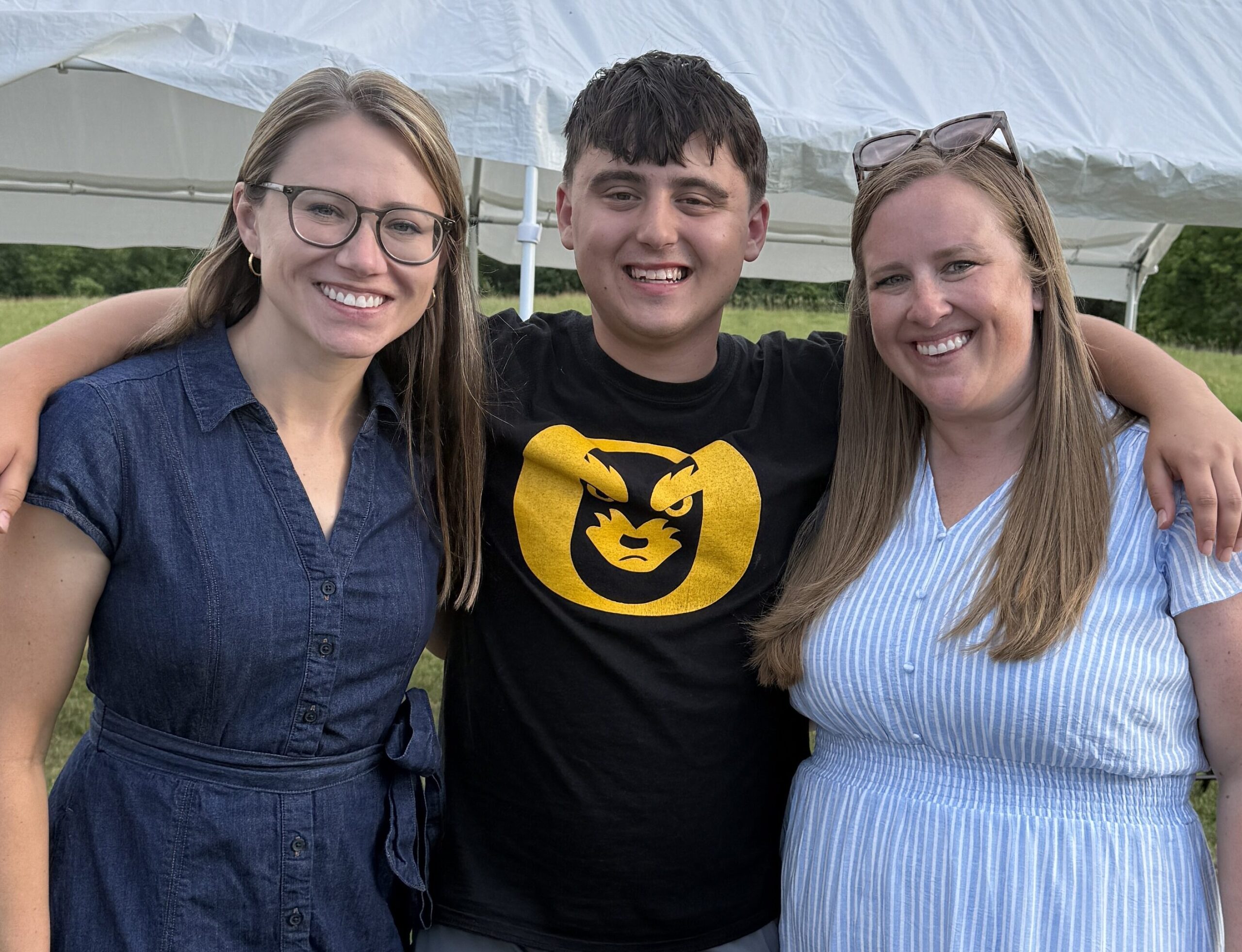
Amanda Sheridan and Elizabeth Mercado have enjoyed working with John and watching him grow. “I truly appreciate the opportunity to work with John and his family. His energy and motivation are contagious,” says Amanda. Elizabeth shares, “It has been a rewarding experience to see John’s progress over the last year. He has worked incredibly hard and should be proud of all that he has accomplished.”
He plans to attend community college this fall, majoring in marketing. He also enjoys continuing to “play basketball, work out, and hang out with friends.”
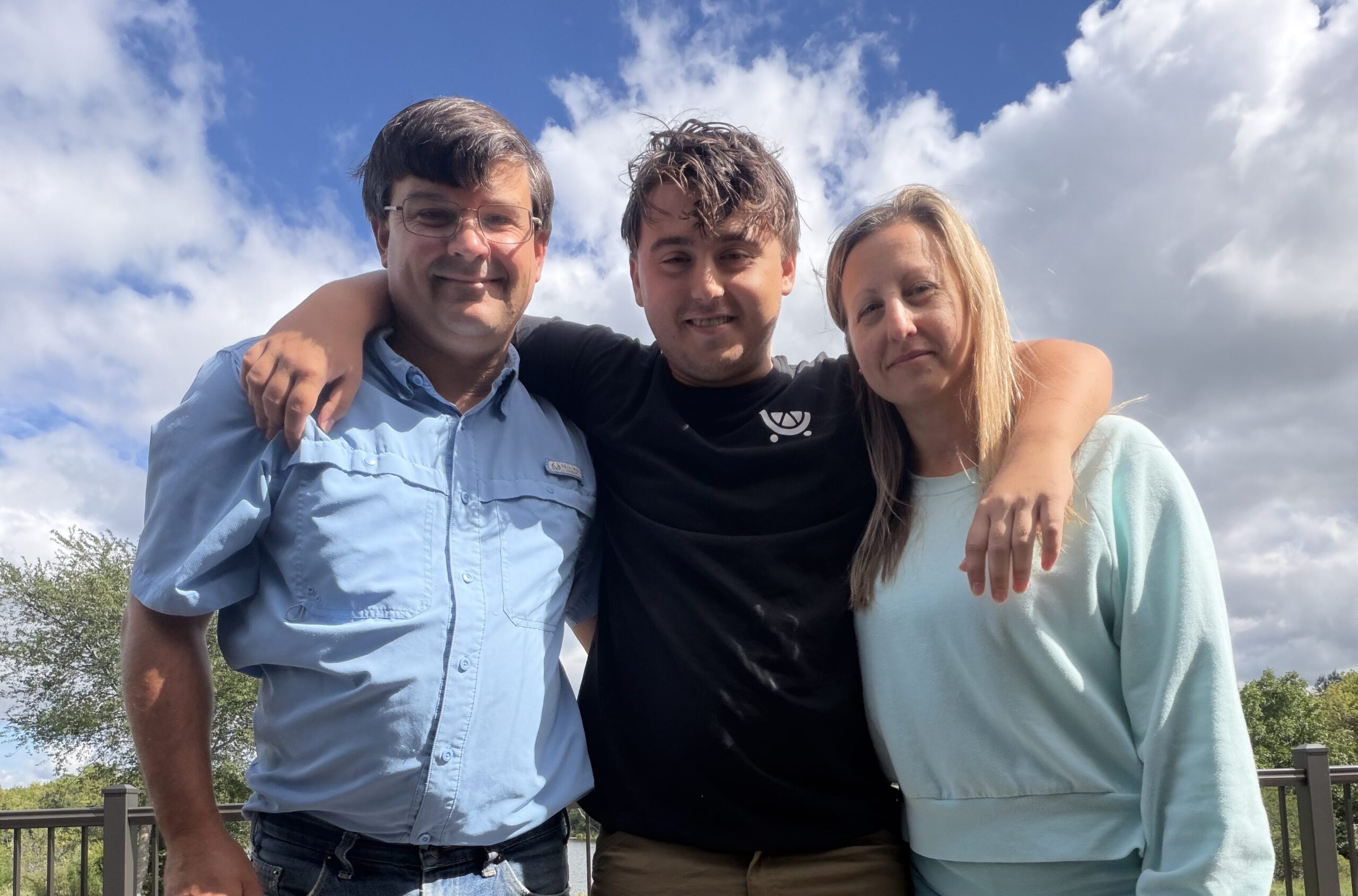
His family is continuing to look forward, not dwell on the past. “John is [only] a 19-year-old and still has most of his life ahead of him,” says his dad, Adam.
John is the same energetic, motivated, and funny person he was before his stroke. Now, it just takes him a little longer to speak, but he still has something to say.