Aphasia, a loss of language due to stroke or other neurological injury, can make communication difficult and affect one’s job, relationships, or day-to-day function. Over 2 million Americans have aphasia, yet most people don’t know what it is.
In a National Aphasia Association awareness survey(1), nearly 9 out of 10 people reported never hearing the term “aphasia.”
However, the City of Ann Arbor is recognizing the importance of awareness.
Ann Arbor Recognizes National Aphasia Awareness Month
On June 1, 2026, Christopher Taylor, Mayor, proclaimed June 2026 as National Aphasia Awareness Month in Ann Arbor. Click here to read the full proclamation.
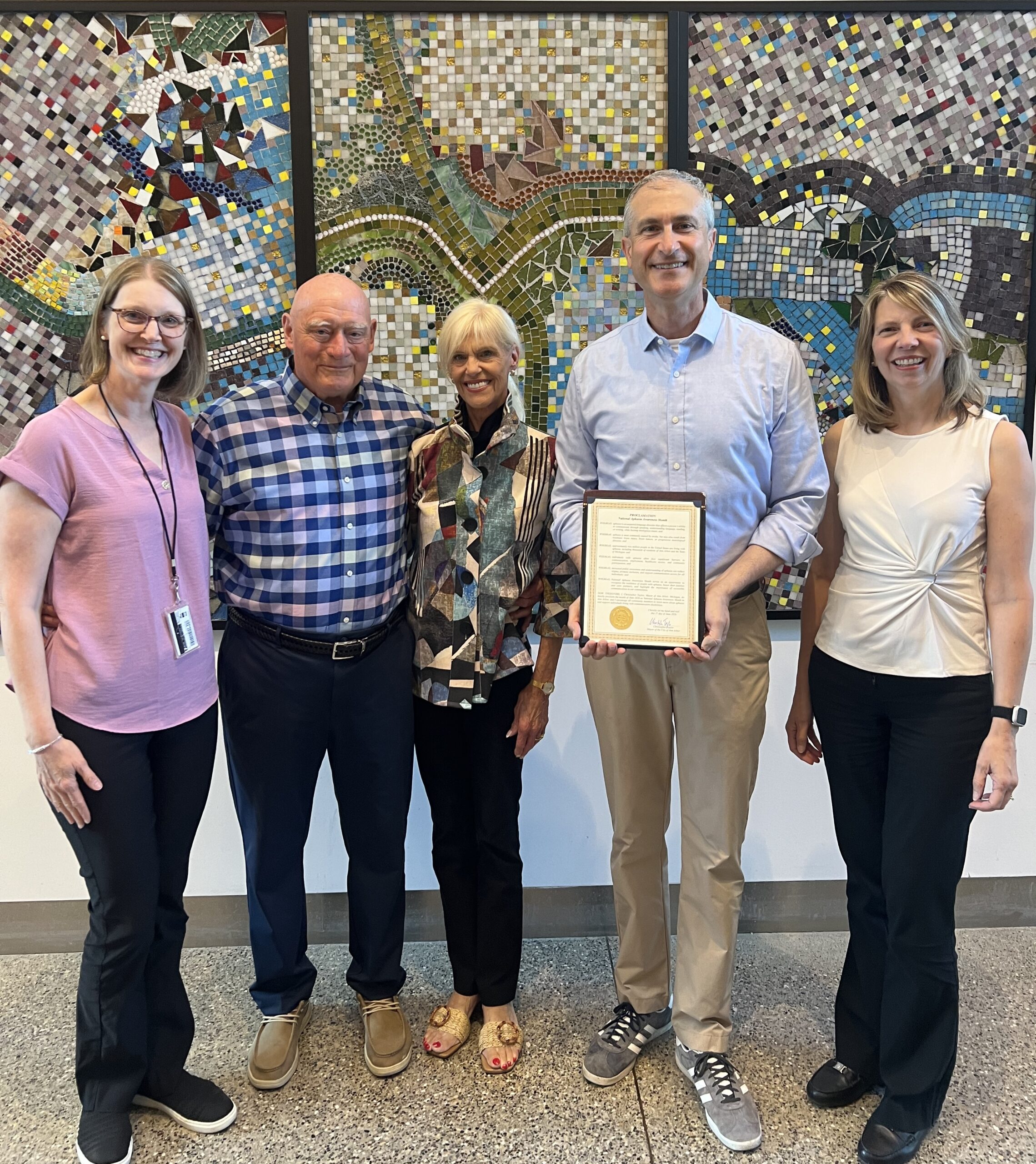
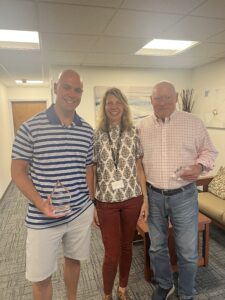
On June 15, 2026, representatives from the University of Michigan Aphasia Program met with Mayor Taylor at City Hall to celebrate the official proclamation and recognition of Aphasia Awareness Month.
Carol Persad, Ph.D., director of the University Center for Language and Literacy (home of the University of Michigan Aphasia Program), and Jennifer Corey, M.S., Senior Speech-Language Pathologist and Clinic Manager, were joined by current local UMAP client Tim Wadhams and his wife, Laurie.
A Local Connection to Aphasia
Tim has a strong connection to both aphasia and Ann Arbor. A lifelong resident, Tim grew up on the Old West Side, graduating from both Pioneer High School and the University of Michigan. He eventually became the CEO of Masco Corporation, a global manufacturer of home improvement and building materials.
In 2020, Tim suffered a stroke and developed aphasia. After he was discharged from the hospital, Laurie began looking for speech and language programs. To their surprise, they found one right in their backyard – the University of Michigan Aphasia Program.
Tim became a UMAP client in late 2020, first attending an in-person session (the program’s hallmark offering), and has continued to participate in teletherapy/outpatient sessions ever since.
After seeing the incredible progress Tim made while attending UMAP, his family and friends wanted to ensure other families had the same opportunity.
Recognizing that the cost of intensive aphasia programs can be a barrier for many, they established the Tim Wadhams and Tyler Thomas Aphasia Fund in 2023. This endowment helps cover UMAP tuition for those who lack the financial means, making vital treatment accessible to more clients.
What is aphasia?
Aphasia is a communication disorder that can affect one’s ability to speak, read, write, and understand both verbal and written language. It is most commonly acquired from a stroke, but it may also arise from head trauma, brain tumors, or other illnesses and injuries.
It can be very isolating for the person with aphasia, as well as their family and friends. Not enough people know about aphasia, and this lack of understanding can make it difficult for the aphasia community to interact with the general public.
Ann Arbor’s Connection to Aphasia
Ann Arbor is home to the University of Michigan Aphasia Program (UMAP). UMAP was the first intensive, comprehensive aphasia program (ICAP) in the United States, with over 89 years of experience.
Unlike standard, hourly outpatient speech therapy sessions that are provided only once or twice a week, UMAP’s intensive program offers a concentrated, multi-week framework.
UMAP’s team of certified speech-language pathologists (SLPs) is dedicated to helping clients rebuild communication skills and reclaim their lives. Clients come from a variety of backgrounds, navigating communication challenges arising from surviving a stroke, traumatic brain injury (TBI), or illness.
Why is Aphasia Awareness Important?
Most insurances do not support speech-language therapy for aphasia beyond 2-3 hours a week for a short time after a person develops aphasia and returns home after a hospitalization.
However, research shows that with intensive, individualized speech-language therapy, many people with aphasia make measurable gains, regardless of how long it has been since they acquired the communication disorder.
This local proclamation is part of a nationwide effort led by the National Aphasia Association (NAA) called “United for Aphasia Awareness,” which aims to secure official recognition in all 50 states.
The NAA is supporting this effort through a national network of Ambassadors, including individuals with aphasia, care partners, and professionals, who are working together to raise awareness across the country.
As part of the initiative, the NAA is tracking proclamations on a national map at aphasia.org/aphasia-awareness-month-2026/, showing progress as states and communities join the movement.
Learn More
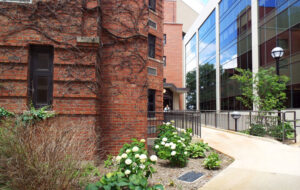
The University of Michigan Aphasia Program is part of the University Center for Language and Literacy at the Mary A. Rackham Institute, providing support for individuals and families navigating communication challenges.
Learn more about the University of Michigan Aphasia Program and its intensive aphasia treatment services.
You can also learn more about the University Center for Language and Literacy and its broader language and literacy services.
Sources
- 2022 Aphasia Awareness Survey. National Aphasia Association, 2022, https://aphasia.org/aphasia-awareness-surveys/